 view more about Aconcagua Provincial Park
 view page of Mendoza
 share this post
IMPORTANT: Some data, image or video may be from 2016 or before.
Information
The Aconcagua Provincial Park is a place of excellence for wildlife watching. Its natural environment, combined with its wide extension, makes it possible to see an important number of species, some of which are difficult to find in other places. In addition, the multiple trekking options available in the park make it possible to walk through the park, reaching different places and heights. In this way, our chances of finding species from different environments are greater. The best season for birdwatching is from November to March, when we also have the largest number of areas available.If you are going to the park for the first time to observe wildlife, my recommendation is to first do the 2 km long Laguna de los Horcones trail. On this route you will already be able to record a significant number of species. And if you have more days available, it is advisable to do the longer treks that lead to higher altitudes and give you the chance to see more.
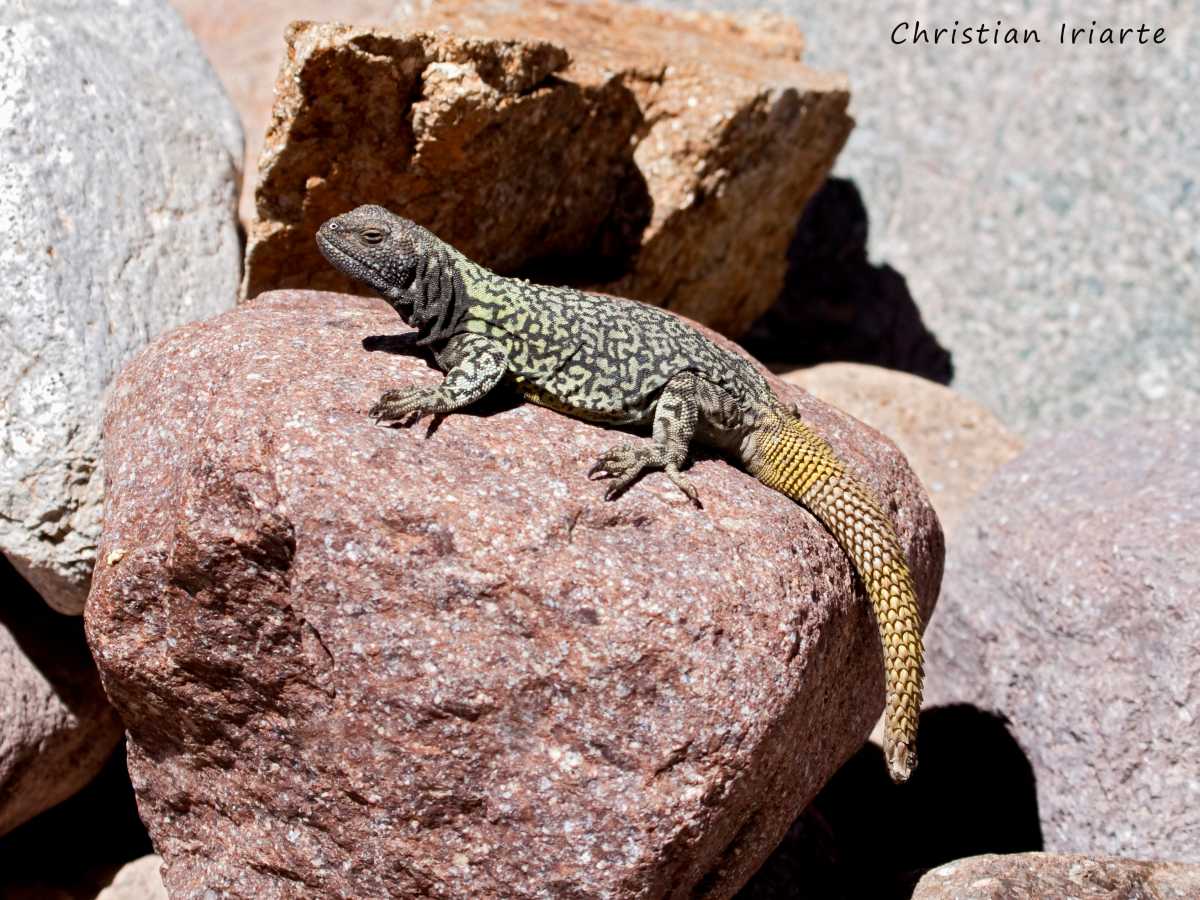
Starting with the reptiles, it is classic to see the high mountain lizard (Phymaturus palluma) perched on the rocks. Among the amphibians, with a bit of luck you will be able to see the warty toad (Rhinella spinulosa).
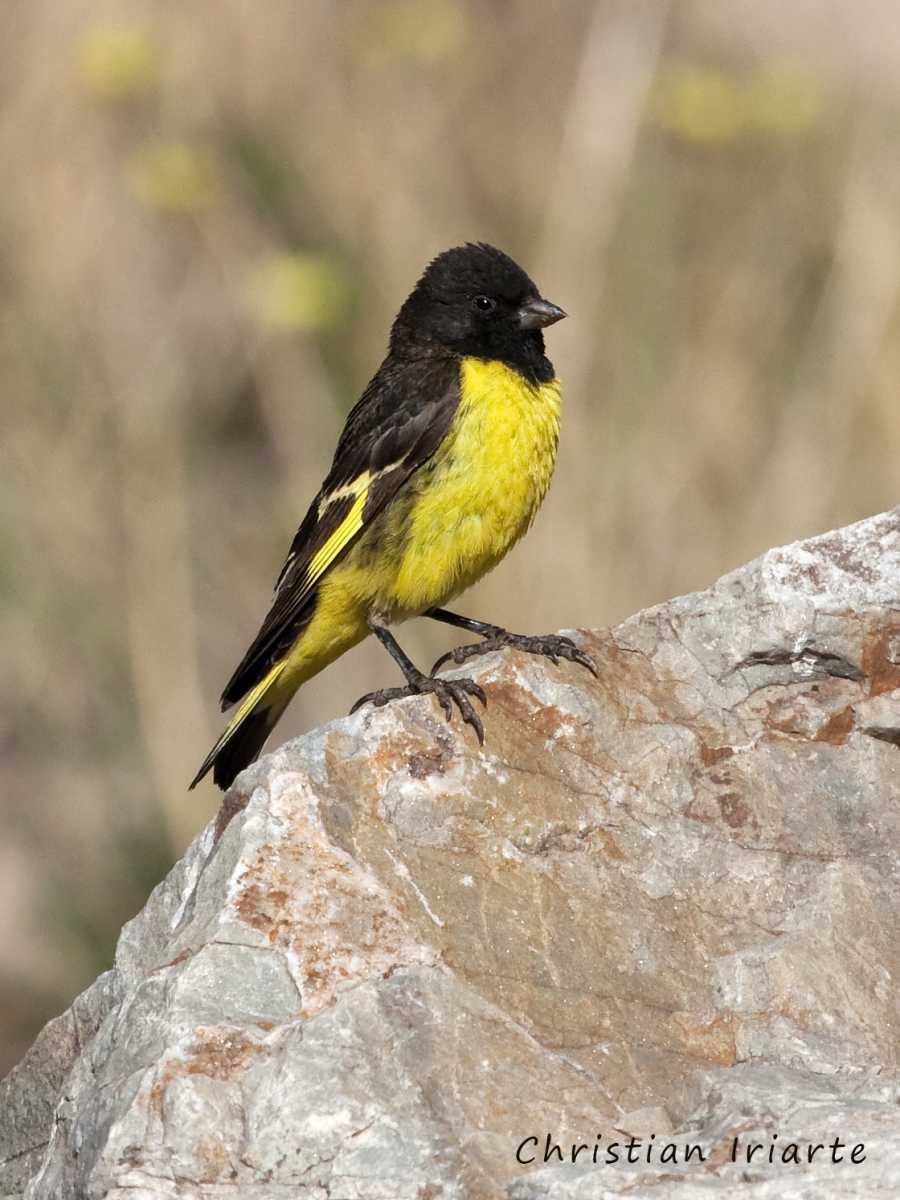
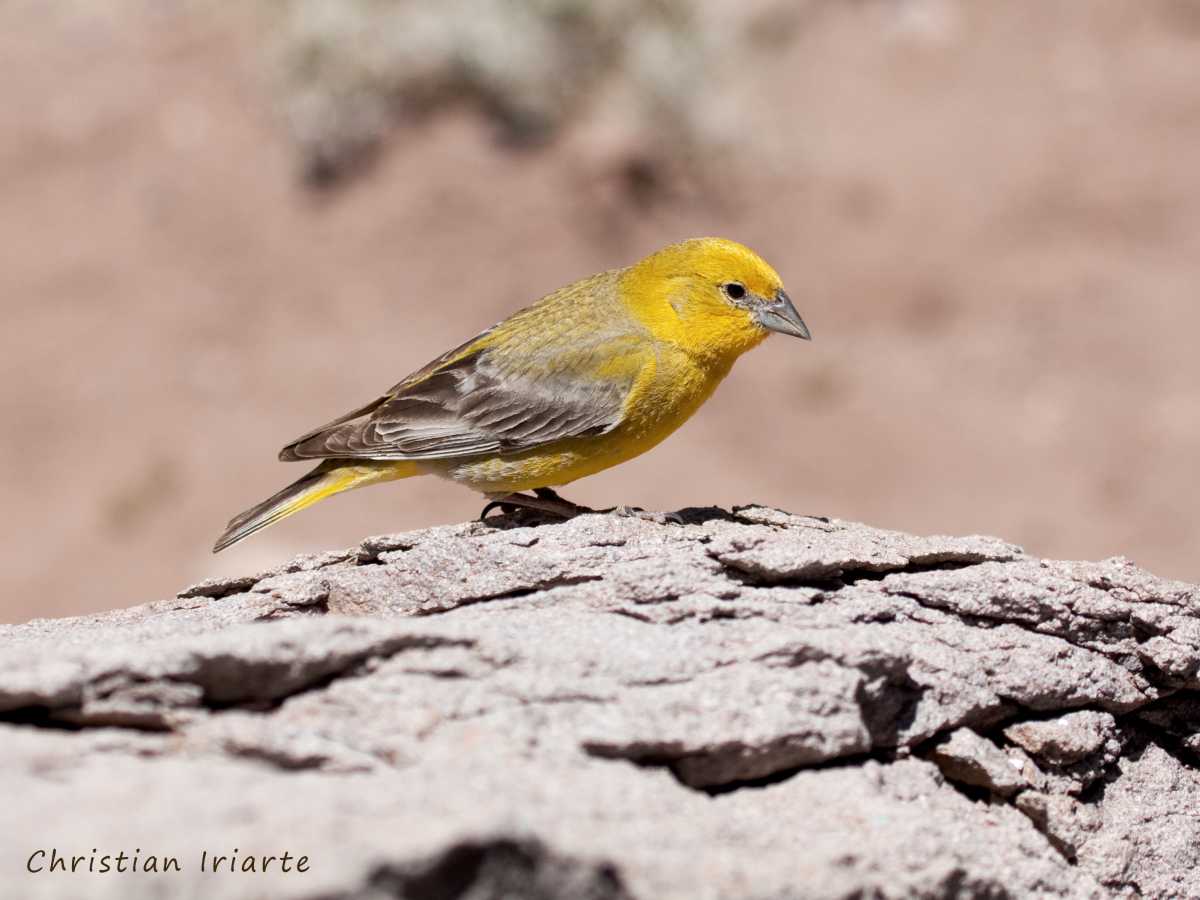
As for the birds, the yellow-rumped siskin (Spinus uropygialis), thick-billed siskin (Spinus crassirostris), creamy-rumped miner (Geositta isabellina) and greater yellow-finch (Sicalis auriventris) are abundant. Also common are the cinereous ground-tyrant (Muscisaxicola cinereus), the black-fronted ground-tyrant (Muscisaxicola frontalis) and the white-browed ground-tyrant (Muscisaxicola albilora). An Andean condor (Vultur gryphus) is often seen flying at high altitudes. There are many other species that are usual in the Andean region, such as the grey-breasted seedsnipe (Thinocorus orbignyianus), the rufous-banded miner (Geositta rufipennis), the mountain caracara (Phalcoboenus megalopterus), the black-winged ground Dove (Metriopelia melanoptera), etc. In the Laguna Espejo (it is like a lake, which is before the Laguna de los Horcones) the crested duck (Lophonetta specularioides) is common.