Information about Argentina
An overview of the country's attractions and the activities you can enjoy there.
Throughout the country there are different climates and reliefs, so you can find very diverse landscapes and tourist attractions. On the one hand, there is the high Andean region in the western sector, where Cerro Aconcagua (6962 metres above sea level), the highest peak in the Americas, is located. On the other hand, towards the east the territory generally descends in altitude (with exceptions) and ends with a long sea coast.
In Argentina it is common to mention some regions, each one grouping provinces or parts of them: in the north are the Northwest and the Chaco region; in the west Cuyo; in the east Mesopotamia and the Pampas or Pampean region; in the centre the Sierras Pampeanas; and in the south is Patagonia. Each of these areas offer to the tourist its attractions and activities, and among the well-known of each one of them we can mention by way of example (just to name a few, because there are many more):
- the Quebrada de Humahuaca and the Puna in the Northwest;
- the Aconcagua Provincial Park in Cuyo;
- the Iguazú Falls and the Iberá Wetlands in the Mesopotamia;
- the capital Buenos Aires in the Pampas;
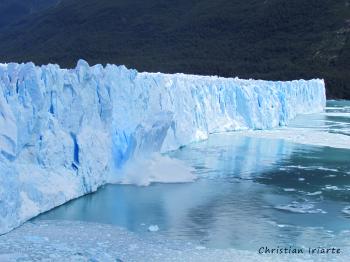
- the Perito Moreno glacier, the Valdés peninsula and San Carlos de Bariloche in Patagonia.
The country has a system of national parks, many of which are accessible to visitors. In particular, Iguazu National Park and Los Glaciares National Park receive a large number of foreign tourists who come to see their unique natural attractions.
Regarding transportation, there are airports in the most important cities, and bus lines that drop off at the main destinations. To arrive by plane from abroad, most flights arrive at the international airport of Ezeiza, which is on the outskirts of the city of Buenos Aires.
Turning to the climate, throughout the country the summer (December to March) is warmer than the winter (June to September). Depending on the region, the temperature differences between the two seasons are more or less noticeable. On the other hand, as you move from north to south, the weather tends to get colder.
For those interested in wildlife watching, there are many places all over the country where you can do this activity. To name a few, there are the Yungas and the province of Misiones with its high biodiversity; and classic ecotourism sites are Iberá, the Valdés peninsula, Punta Tombo and many more.
The country's main attractions featured on this website.
 view provinces and list of destinations in Argentina
 view images
 Basic data
 Subscribe for free




 to explore