
 view page of Neuquén
 share this post

IMPORTANT: Some information, images or videos may date from a visit made in 2020 or earlier.

Information
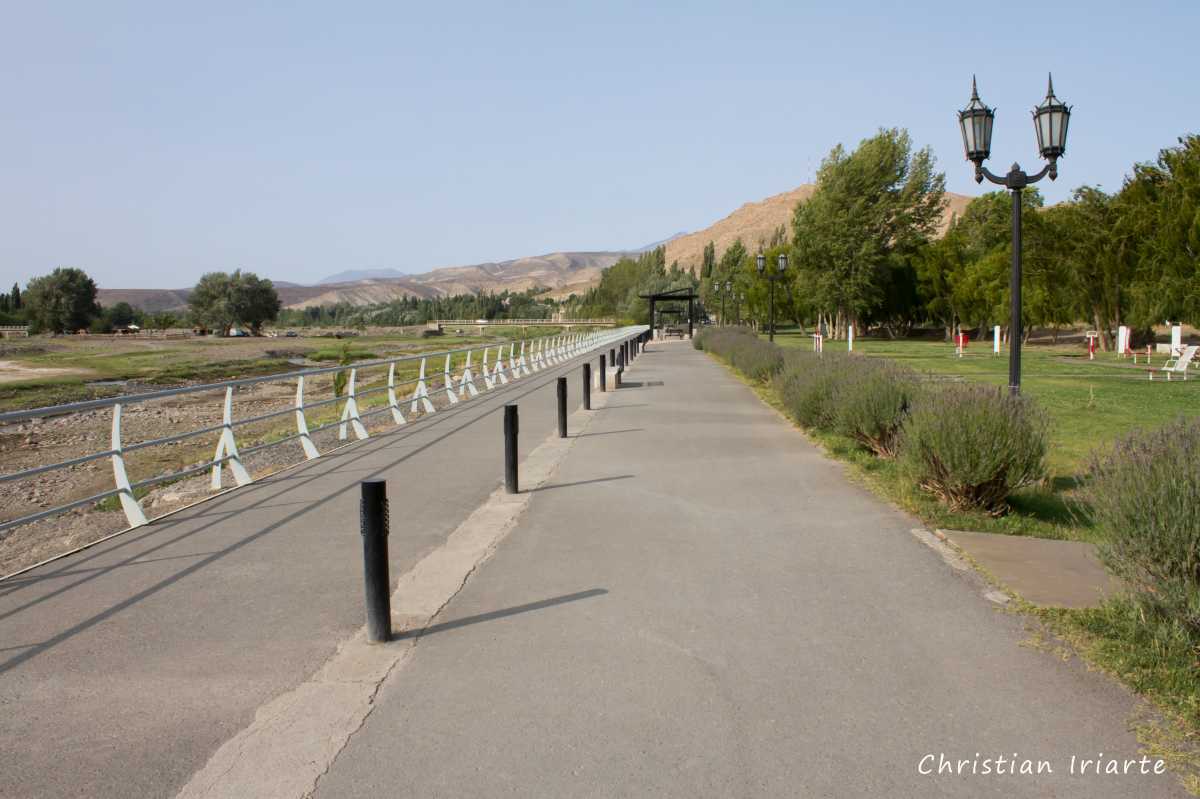
It is the most populated city in northern Neuquén Province and is located in a steppe valley at the foot of the Andes mountains. It lies at the confluence of the Curi Leuvú and Neuquén rivers, which border the city to the west and south respectively. It was designated capital of the National Territory of Neuquén in 1888 when it was not yet a province, until 1904 when the seat of government of the territory was moved to Confluencia which was the original name of what is now the city of Neuquén. It has a tourist information office, a petrol station, supermarkets, restaurants and accommodation. There is also a municipal campground with showers, electricity and plenty of shade from the trees.The city has an extensive pedestrian riverside promenade along the Curi Leuvú River, with different rest areas equipped with benches and shade. It is also surrounded by large green spaces that are perfect for an afternoon picnic, and food stands are sometimes set up there. At one end, you can see and climb a set of stairs leading to El Torreón, a tower built on a hill. The provincial Manuel José Olascoaga museum is also located there with exhibits, illustrations and photographs related to the history of the city and the province.
There are other tourist sites to visit in the surrounding area. The access point to Tromen Provincial Park is only 8.5 km away, although the protected area itself begins 32 km away in total. The access point to the Epu Lauquen lakes is 93 km away, while the body of water themselves are 126 km away in total. In both cases some sections of the road are unpaved.
To get to Chos Malal:
— By bus: there is direct public transportation from Las Lajas, Neuquén and Zapala.
— By car: it can be reached via National Route 40, with 215 km from Zapala and 335 km from Malargüe. Part of this stretch of Route 40 is unpaved.