 view more about Iberá Wetlands
 view page of Corrientes
 share this post
IMPORTANT: Some data, image or video may be from 2019 or before.
Information
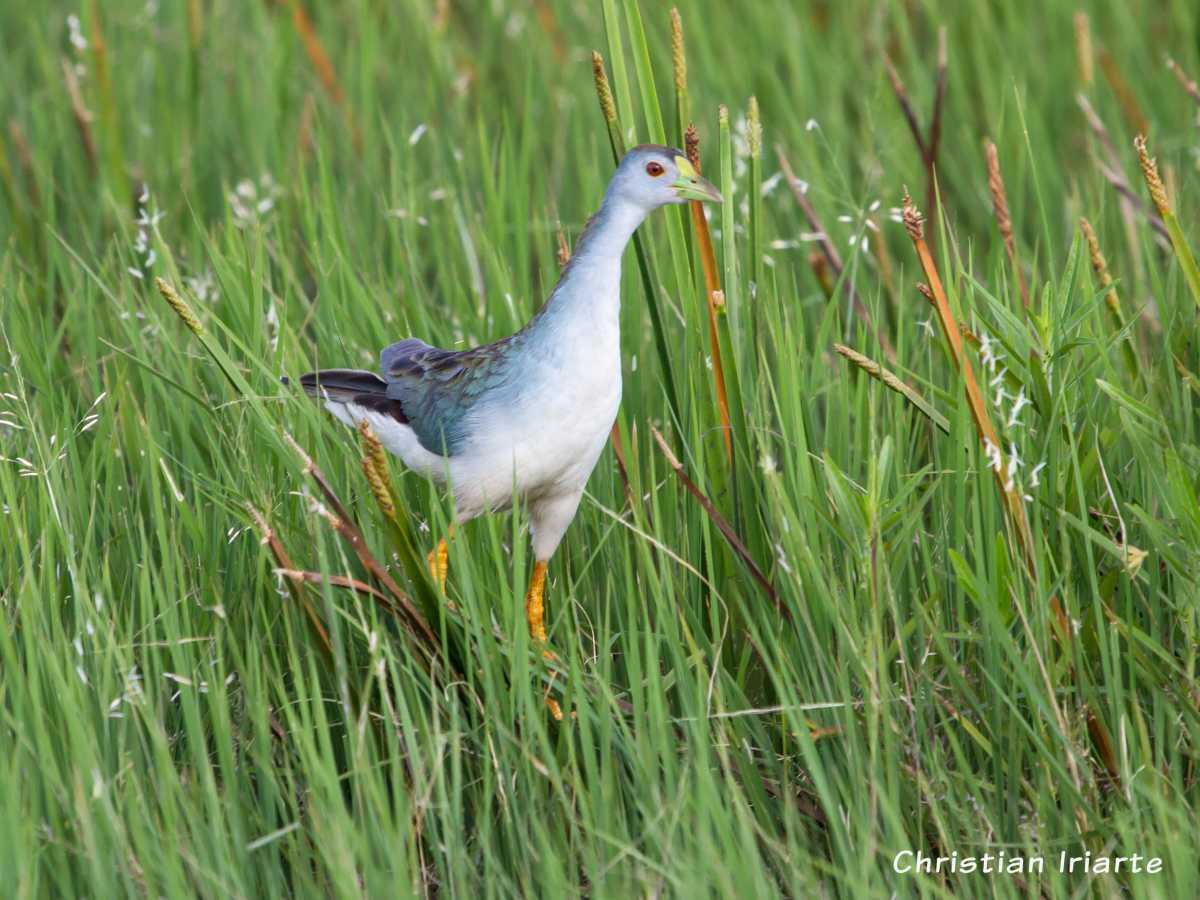
The Iberá Wetlands are an ideal destination for bird watching, as there are more than 300 registered species. It also has several access points, where, depending on the place, there are trails and the possibility of boat trips for observation.It is evident that the wide extension with swamps, marshes and lagunas (like lakes) makes the species of this environment abundant and varied. You can find ducks, herons, the ringed and Amazo kingfishers, and some large species such as the Southern screamer (Chauna torquata) and the jabiru (Jabiru mycteria). There are some that are seen here and not so easily in other parts of the country, such as the ash-throated crake (Porzana albicollis) and the azure gallinule (Porphyrio flavirostris).
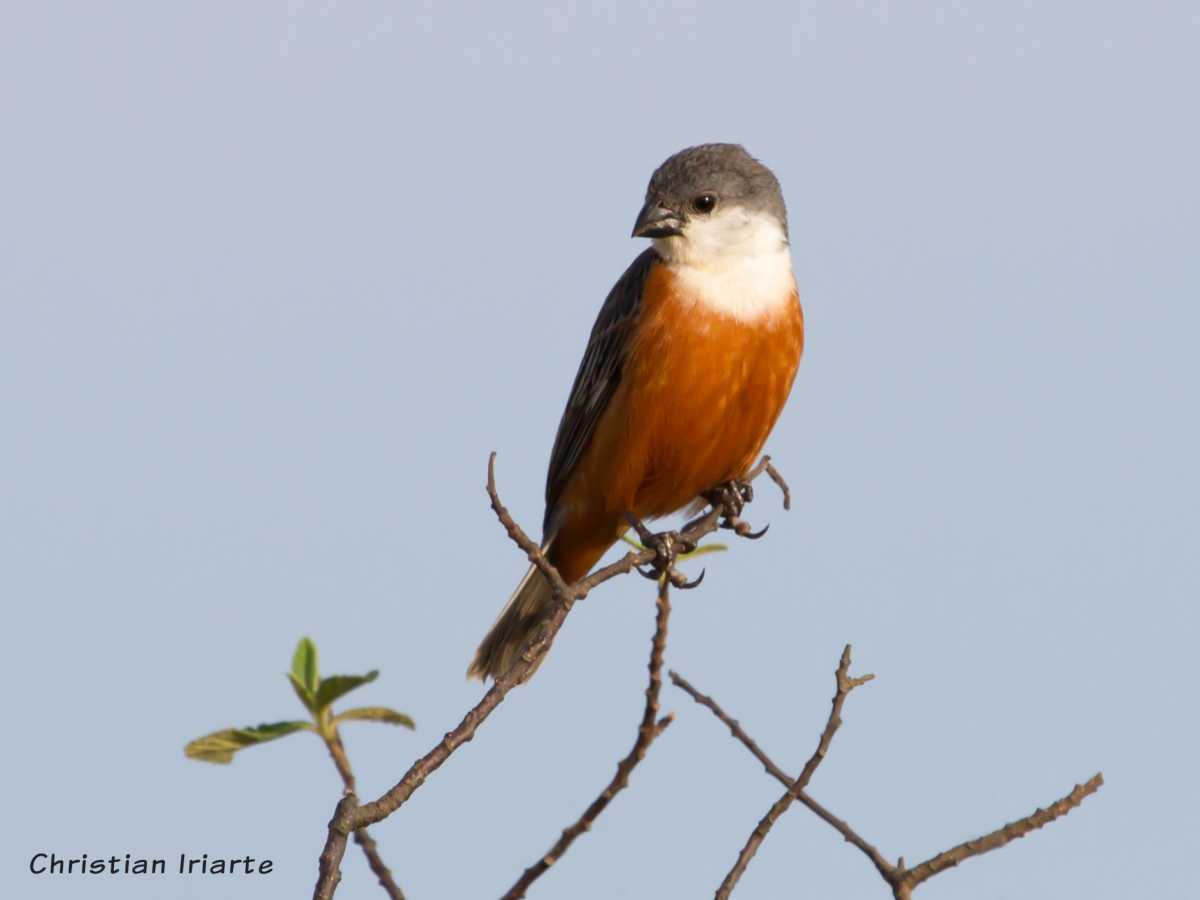
Among the terrestrial birds, the presence of endangered species such as the yellow cardinal (Gubernatrix cristata) stands out. And a variety of the genus Sporophila such as the tawny-bellied seedeater (Sporophila hypoxantha), dark-throated seedeater (Sporophila ruficollis) and the endangered Iberá seedeater (Sporophila iberaensis) and marsh seedeater (Sporophila palustris).
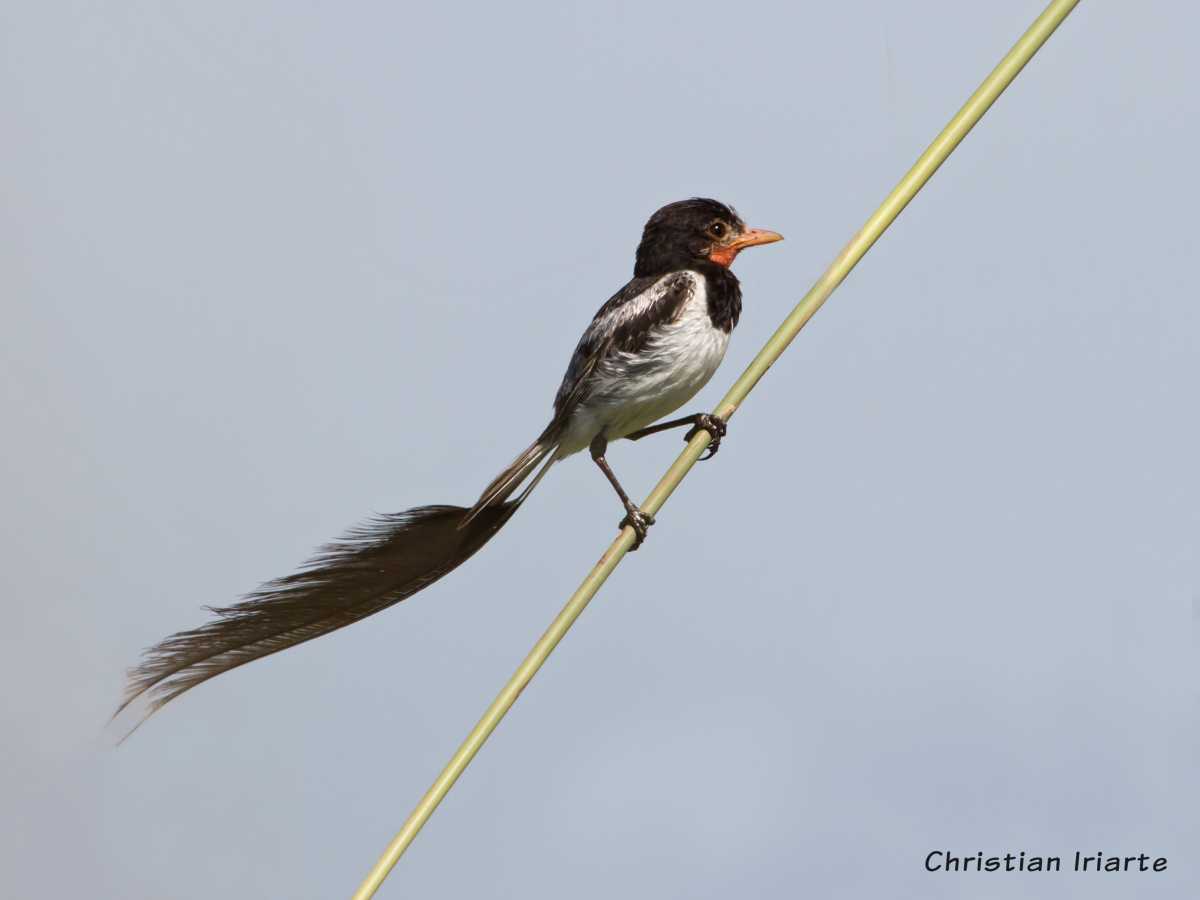
Other outstanding species sought after by birdwatchers are the white-headed marsh-tyrant (Arundinicola leucocephala), the strange-tailed tyrant (Alectrurus risora) and the streamer-tailed tyrant (Gubernetes yetapa).
Many birds of prey can be seen perched along the access roads, such as the savanna hawk (Buteogallus meridionalis), the snail kite (Rostrhamus sociabilis), the Cinereous Harrier (Circus cinereus) and the long-winged harrier (Circus buffoni). The black-collared hawk (Busarellus nigricollis) is also often seen above, and lesser yellow-headed vulture (Cathartes burrovianus) and American black vulture (Coragyps atratus) below.