
 view more about Tulum Archaeological Site
 view page of Quintana Roo
 share this post
IMPORTANT: Some data, image or video may be from 2019 or before.
Information
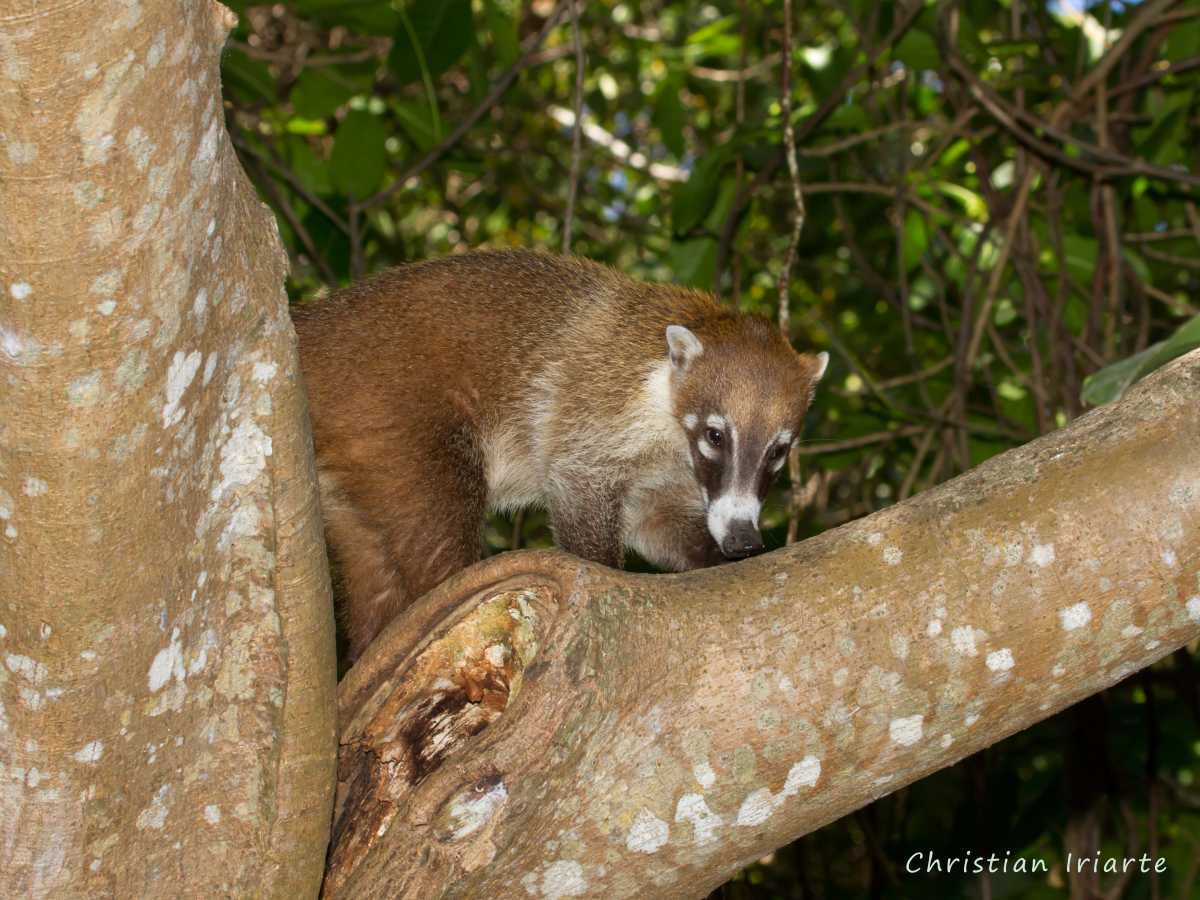
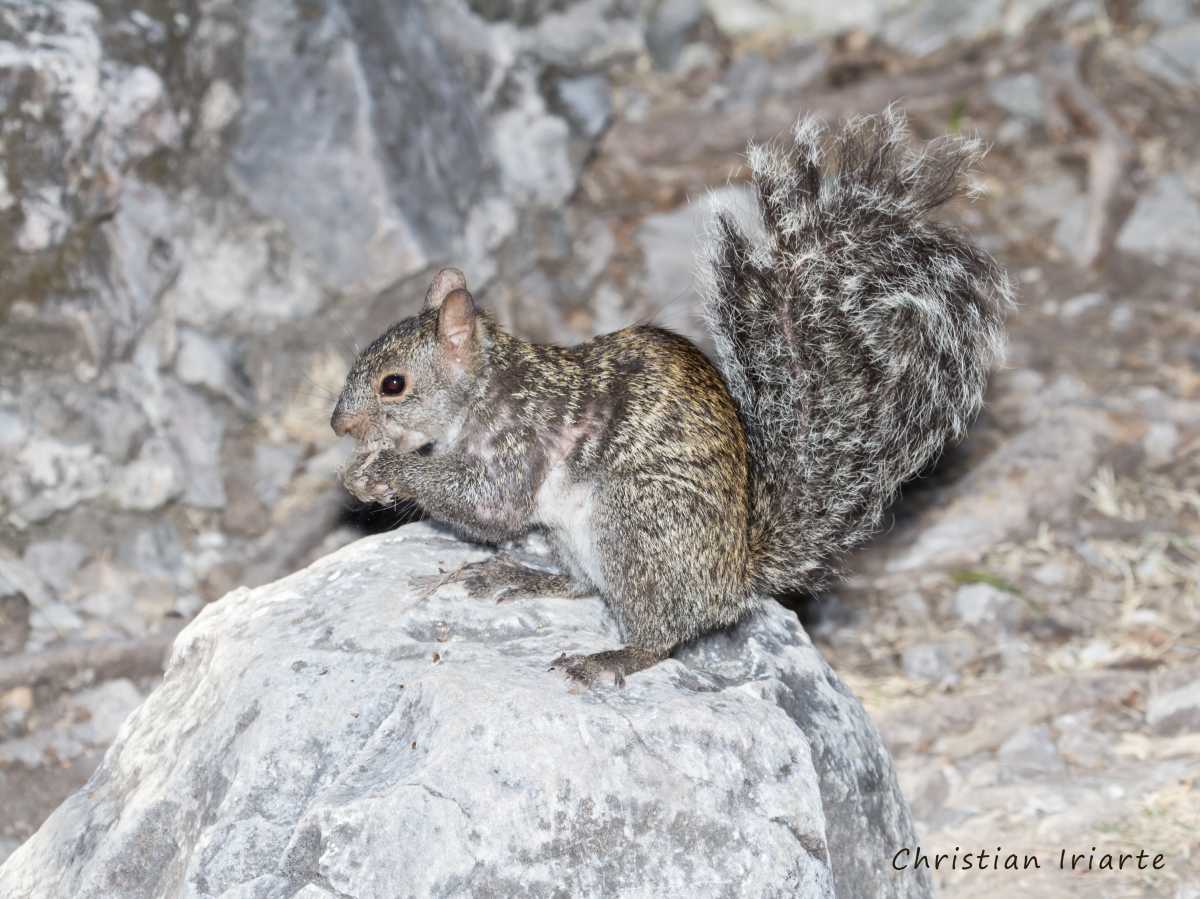
The archaeological site of Tulum is a great place to observe wildlife. On one hand it's located in a region of high biodiversity, such as the Yucatán Peninsula. And on the other it's part of a protected area: the Tulum National Park, which includes the archaeological site and helps preserve both the natural environment and the species that inhabit it. In addition, it offers facilities for this activity like the eco-archaeological trail, ideal for walking peacefully while observing birds and other animals.Among the mammals, the Yucatán squirrel (Sciurus yucatanensis) can often be seen moving through the trees along the paths. The white-nosed coati (Nasua narica) is also common and tends to appear among tourists without much shyness, as it's used to seeing people.
As for reptiles, the common spiny-tailed iguana (Ctenosaura similis) is everywhere. This species is abundant and can be spotted in many corners of the Riviera Maya, both inside and outside the archaeological zone.
Among the birds, especially in the early morning hours it's possible to see a good variety of species, particularly in the trees surrounding the ruins area. The lesser hooded oriole (Icterus cucullatus), golden-fronted woodpecker (Melanerpes aurifrons), tropical mockingbird (Mimus gilvus), Yucatán jay (Cyanocorax yucatanicus) and white-winged dove (Zenaida asiatica) are common. Others that are somewhat frequent, to mention a few, are the palm warbler (Setophaga palmarum), black-headed trogon (Trogon melanocephalus) and herons such as the little blue heron (Egretta caerulea).