


 view page of Mendoza
 share this post

IMPORTANT: Some information, images or videos may date from a visit made in 2020 or earlier.

Information
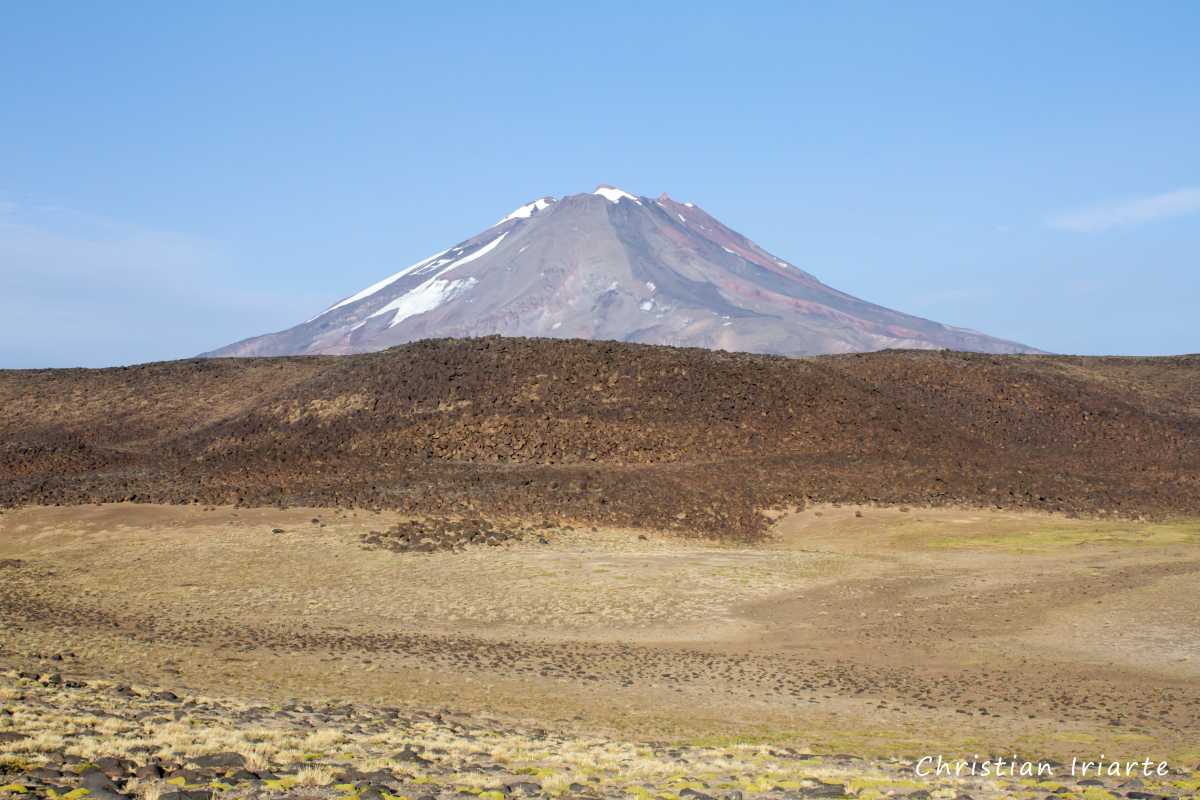
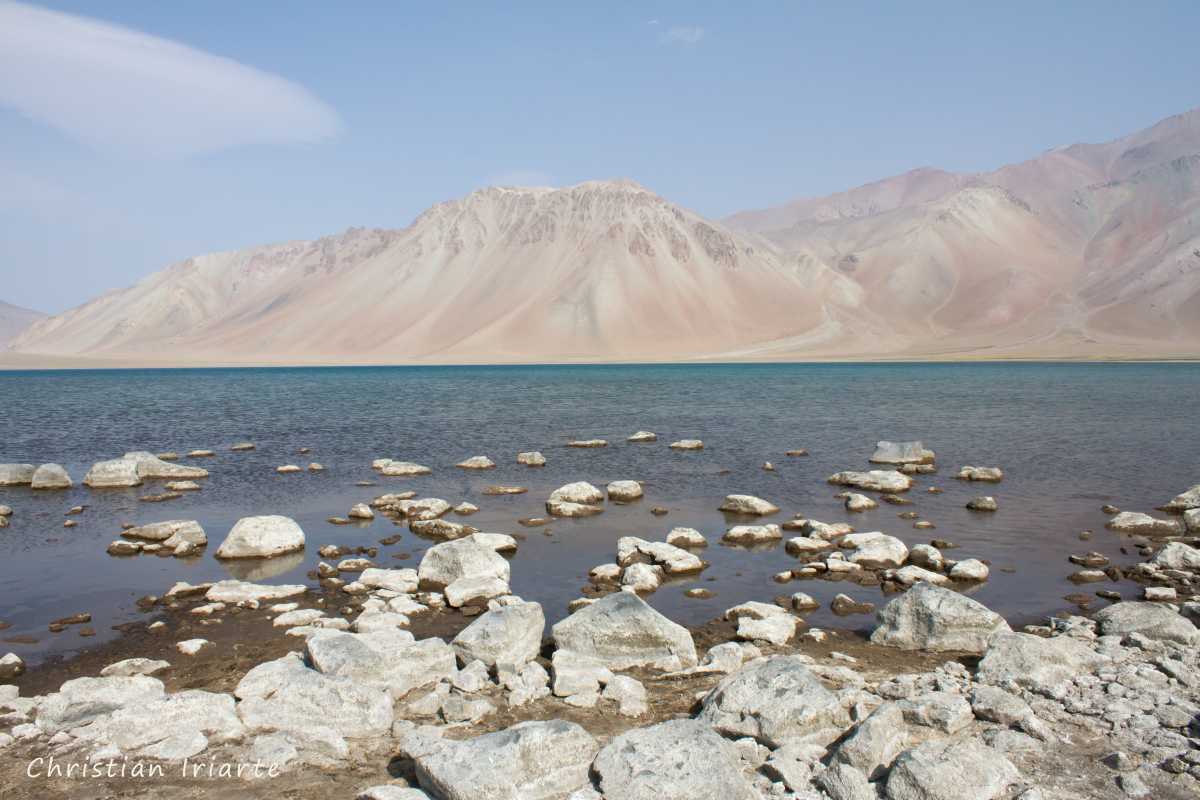
It is a protected natural area of Mendoza that occupies some 192000 hectares and preserves its wetlands, flora, fauna and water source. Within its limits are the Maipo volcano at 5323 metres above sea level and the Laguna del Diamante (like a lake) at 3300 metres above sea level, where the Diamante River has its source.The area is open to visitors only in summer (December to March), and the exact dates of the beginning and end of the visiting season may vary from year to year. Before you go, make sure you bring enough water, food and petrol for your vehicle. Even though there is usually a supply store in the area around the laguna, it is advisable to take food and drinks with you just in case. It is also advisable to bring sunscreen, a hat and sunglasses.
To get there, a gravel road starts at a point on Provincial Route 101. This site can be accessed by driving 35 kilometres of gravel along Route 101 from the locality of Pareditas, or by driving about 8 kilometres of dirt road along Provincial Route 98 (which usually has a lot of loose stones) that leaves from the asphalted National Route 40.
From the beginning of the access road to the laguna there are about 61 km of gravel road, which may have some stretches with loose stones. It is worth mentioning that the state of this road depends on the weather conditions.
At 18.5 km from the beginning of the road there is a control point where you have to pay an entrance ticket, and the park rangers give information and instructions. There are toilets there.
At the end of the road you reach the laguna del Diamante where there is a ranger's office, toilets, picnic area and a designated camping site. In this area there is a viewpoint of the laguna del Diamante, a path to walk along its shore, another small laguna called Barrosa and a path along the Diamante River that originates in this area.
For those interested in wildlife watching, it is worth mentioning that mammals, reptiles and high Andean birds can be observed in quantity and variety.

 Subscribe for free


 to explore