


 view page of Jujuy
 share this post
IMPORTANT: Some data, image or video may be from 2011 or before.
Information
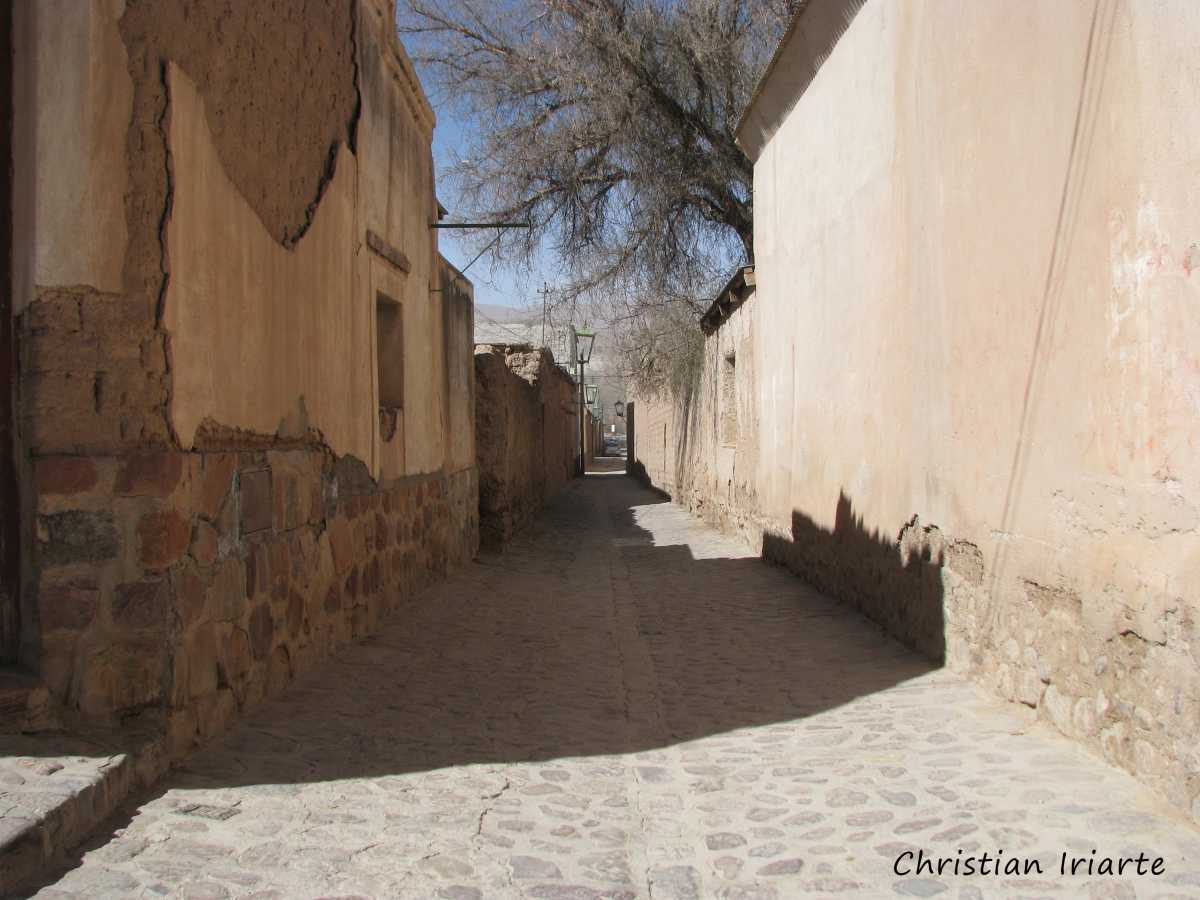
It is the most populated locality of the Quebrada de Humahuaca (a ravine), situated on the banks of the Grande River and at 2939 metres above sea level. It was a centre during the times of the Spanish colonisation, and nowadays it maintains historical features such as narrow cobblestone streets and low adobe buildings with lanterns that are lit at night. A large part of its current population is Quechua.It has services such as a tourist information office, grocery shops, petrol station, restaurants and accommodation. Typical food can be found in its municipal market and there are handicraft shops all over the downtown area.
There is a lot to see in the historic centre:
- It has a main square and in front of it the 17th century church of Candelaria and San Antonio. Around it is the Cabildo (it is a new construction built in the 20th century), which has a tower with a clock, a bell tower, and every noon a sculpture of San Francisco Solano comes out of a small balcony.
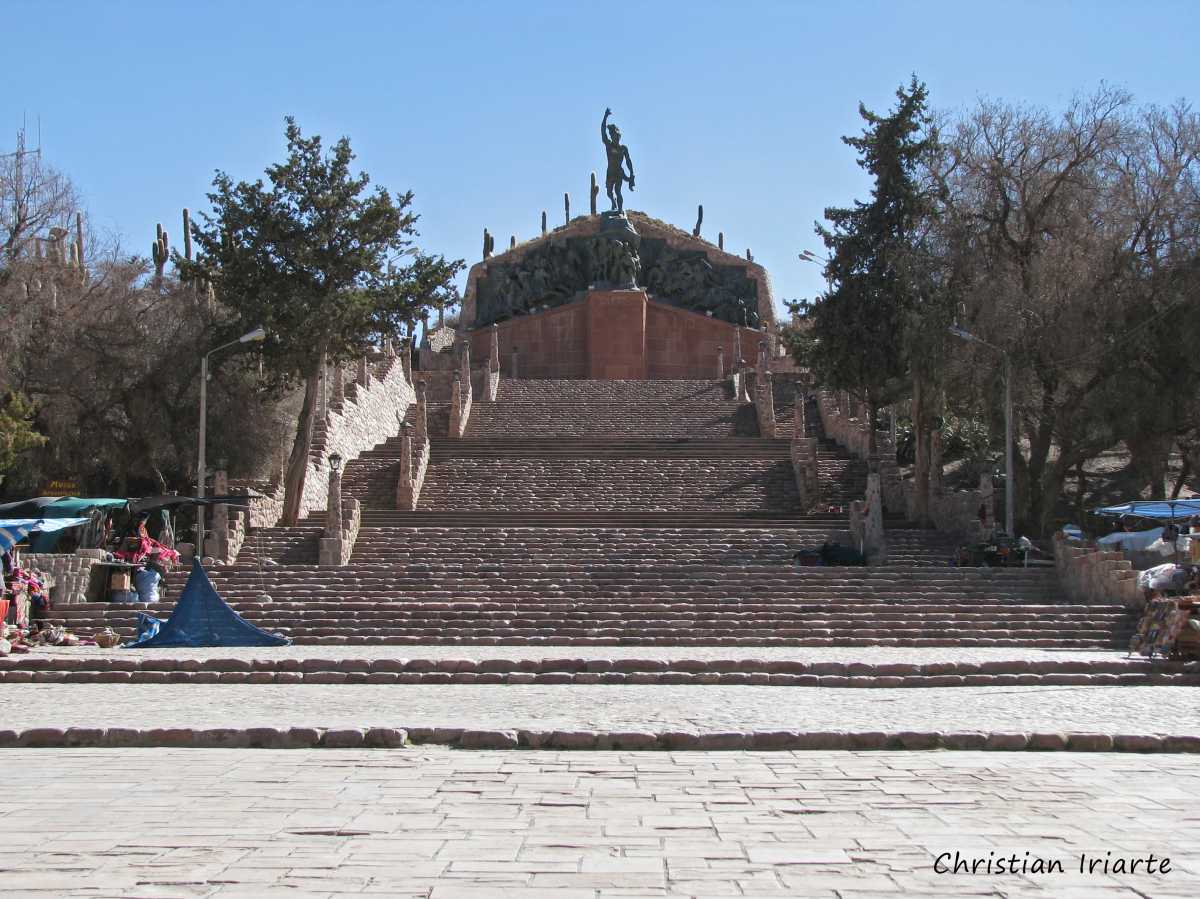
- At one of the corners of the main square there is a pedestrian street, which later becomes a long flight of steps leading to the monument to the Héroes de la Independencia (Heroes of Independence), which was built to commemorate the Argentinean independence. At one side is the tower of Santa Barbara.
- There are museums to visit. The Municipal Archaeological Museum exhibits the evolution of the original peoples of the area through time. On the other hand, the Doctor Justiniano Torres Aparicio Museum displays archaeological collections inside a traditional large house.
Once out of the locality, there are some places to visit:
- Peñas Blancas. you take Salta Street and after crossing the bridge over the Grande River you continue along a dirt road for 1.2 km. You get to a stairway that leads you to a hill where there is a Virgin and where you have a panoramic view of the area.
- Mirador del Hornocal (a viewpoint): from Humahuaca you take Provincial Route 73 and after 21.5 kilometres you take a dirt road to the right. After 2 kilometres you will reach a viewpoint where you will be able to appreciate the multicoloured Sierras of the Hornocal (a mountain chain). Bear in mind that the trip will take you above 4000 metres above sea level, so you may be short of breath.
How to get to Humahuaca:
- By bus: there is a bus terminal in the centre, where public transport comes from Abra Pampa, Iruya, La Quiaca, Purmamarca, San Salvador de Jujuy and Tilcara.
- By car: It is located next to the National Route 9, which connects it to the localities of the Quebrada de Humahuaca, to La Quiaca (156 km) and to San Salvador de Jujuy (125 km). This road also leads to cities such as Salta, San Miguel de Tucumán and Córdoba.


 to view places