Information about Tucumán
An overview of what to see and do.
It is a province in northwestern Argentina. It is bordered by Salta to the north, Santiago del Estero to the east and Catamarca to the south and west. It is the smallest province in the country.
With respect to the relief, very different sectors can be distinguished:
- The east is low with large flat extensions.
- Then the Yungas appear, which corresponds to the Tucumán jungle, characterised by its great biodiversity.
- To the west and north there are mountains, among which we can mention the Sierra del Aconquija to the west, and the Cumbres de Tafí, the Cumbres Calchaquíes, the Sierra de Quilmes and the Cumbres de Santa Bárbara to the northwest. It is worth mentioning that among them there are low areas such as the Tafí valley and part of the Calchaquíes valleys, or high areas such as the El Infiernillo pass.
Its capital San Miguel de Tucumán is the most populated city in the northwest of the country, and its historical fact is that it is where Argentina's independence was declared on July 9, 1816. The site of the event is now called Casa Histórica de la Independencia (some people call it simply Casa de Tucumán), which functions as a museum that includes the room where the oath was sworn.
In the Tafí Valley is the locality of El Mollar with the archaeological reserve Los Menhires, where you can appreciate lithic cultures coming from the Tafí culture. In the same valley is also the most popular tourist destination in the province, the town of Tafí del Valle, which has a good infrastructure and services to receive visitors. From there, crossing the El Infiernillo pass at more than 3000 metres above sea level, you reach Amaicha del Valle with its popular Pachamama museum. And very close by are the ruins of Quilmes, one of the region's unmissable archaeological sites.
Among the protected areas, the Aconquija National Park stands out, which has a visitor's area with trails. And the Los Sosa Reserve, which can be visited by means of Provincial Route 307 that goes along the Quebrada del Río Los Sosa (a ravine or gorge).
 Argentina page
 destinations in Argentina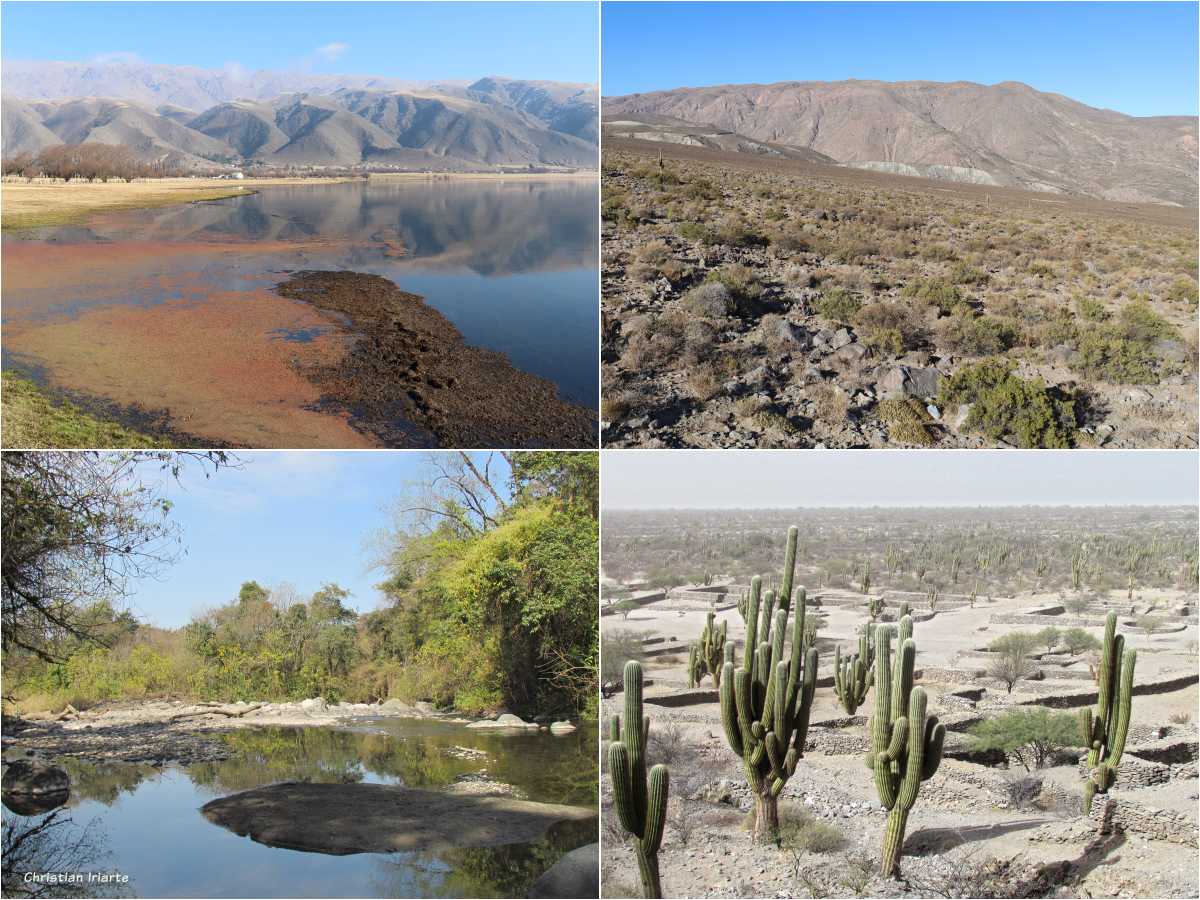
 to explore